 review by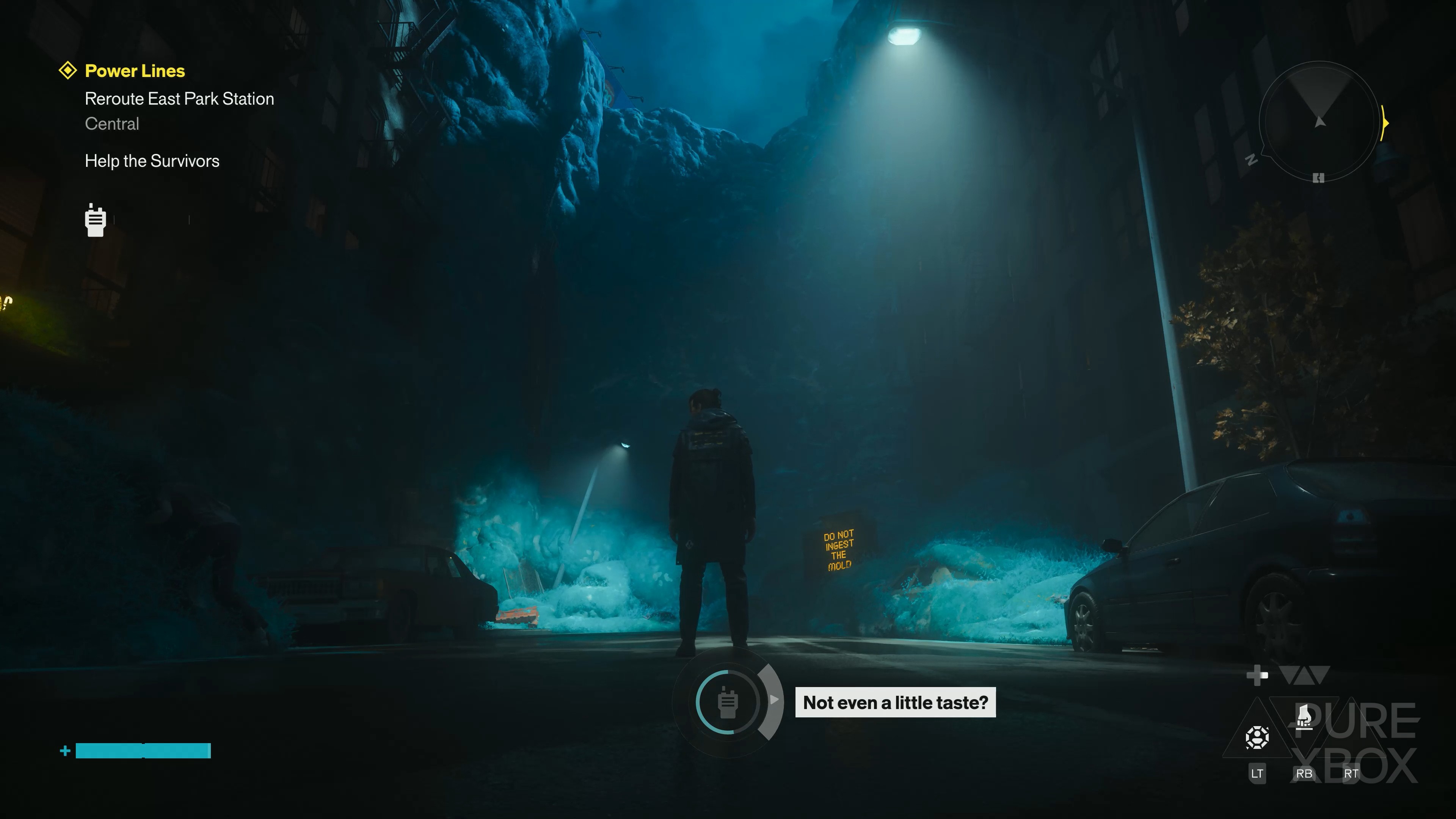
Control Resonant is an atypical sequel that has spent the last seven years staying up late watching X-Files reruns and scoffing bowls of Sugar Puffs.
Remedy takes a leap of faith into a new genre, pulling the camera back to reveal an impeccable, dreamlike vision of Manhattan whilst grounding all that supernatural stuff in a deeply personal sibling story. It’s a combination that holds together even when the action sinks into a pit of repetition.
This is a sequel that carries the same trademark Remedy magic that’ll make you sound completely nuts when you try to explain it to someone else. But something I appreciate about this sequel is how it trades the first game’s long-winded corporate waffling for immediate fisticuffs and open-world exploration.
In less than 20 minutes, I’d escaped the Oldest House, pummelled plenty of Hiss, and struck up my first conversation with my new favourite FBC grunt, Zoe De Vera. When she cut me off with “How about you dumb it down?”, I realised Remedy wasn’t wasting any time: this sequel is all-in on action and its phenomenal aesthetic.

This time, you play as Dylan Faden, a fellow parautilitarian and younger brother of Jesse Faden, the Federal Bureau of Control Director. For the past seven years, the poor lad has been stuck in a coma, during which time the FBC managed to contain the Hiss within the walls of the Oldest House.
The game begins two days after that lockdown fails. Jesse has vanished, Manhattan is flooded with Hiss, and following the passing of an “aberrant-torch”, Dylan awakens from his slumber and sets off in search of his sister.
What makes Dylan such an interesting protagonist is his dark history with the FBC. He’s troubled, awkward, and has a tough time trusting the organisation that kidnapped him. The feeling is mutual, with the Bureau struggling to trust someone who played a role in the first attack on the Oldest House.
That tension gives Control Resonant a much more personal story than its predecessor. At its heart, this is a game about the Faden siblings and their complex relationship with the shady organisation that’s shaped both of their lives.
Yep, one of Resonant’s biggest strengths is its story. Delving into the dark history between Dylan and the FBC. I especially loved how this played out between Dylan and his FBC handler Zoe. Their relationship explores the moral grey area between getting the job done and committing inhumane acts.
From the offset, it’s clear Control Resonant is a totally different game from its 2019 predecessor. That isn’t necessarily a bad thing. Although as someone who loved the first game, faults and all, it took me a minute to gel with its new genre-blending and action RPG elements. It certainly looks and sounds like Control, but playing it feels much closer to Sony’s Spider-Man than Remedy’s original adventure.
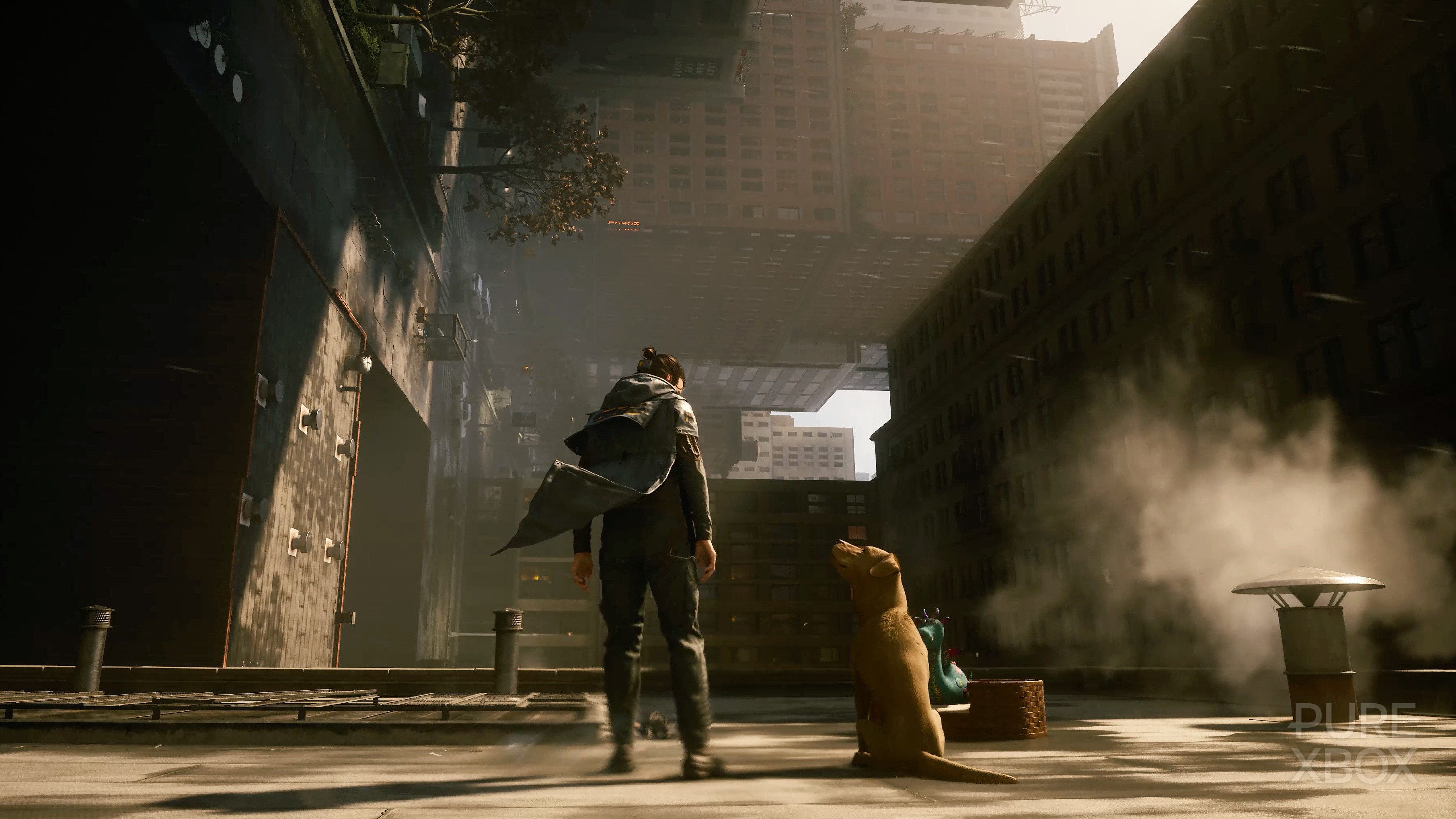
Dylan may not be able to shoot protein silk from his wrists, but he gets around the streets of Manhattan with the speed and finesse of the human spider. Remedy made the right call in trading the oppressive walls and corridors of the Oldest House for an open-world playground, giving Dylan’s supernatural abilities plenty of room to breathe.
And what a playground it is!
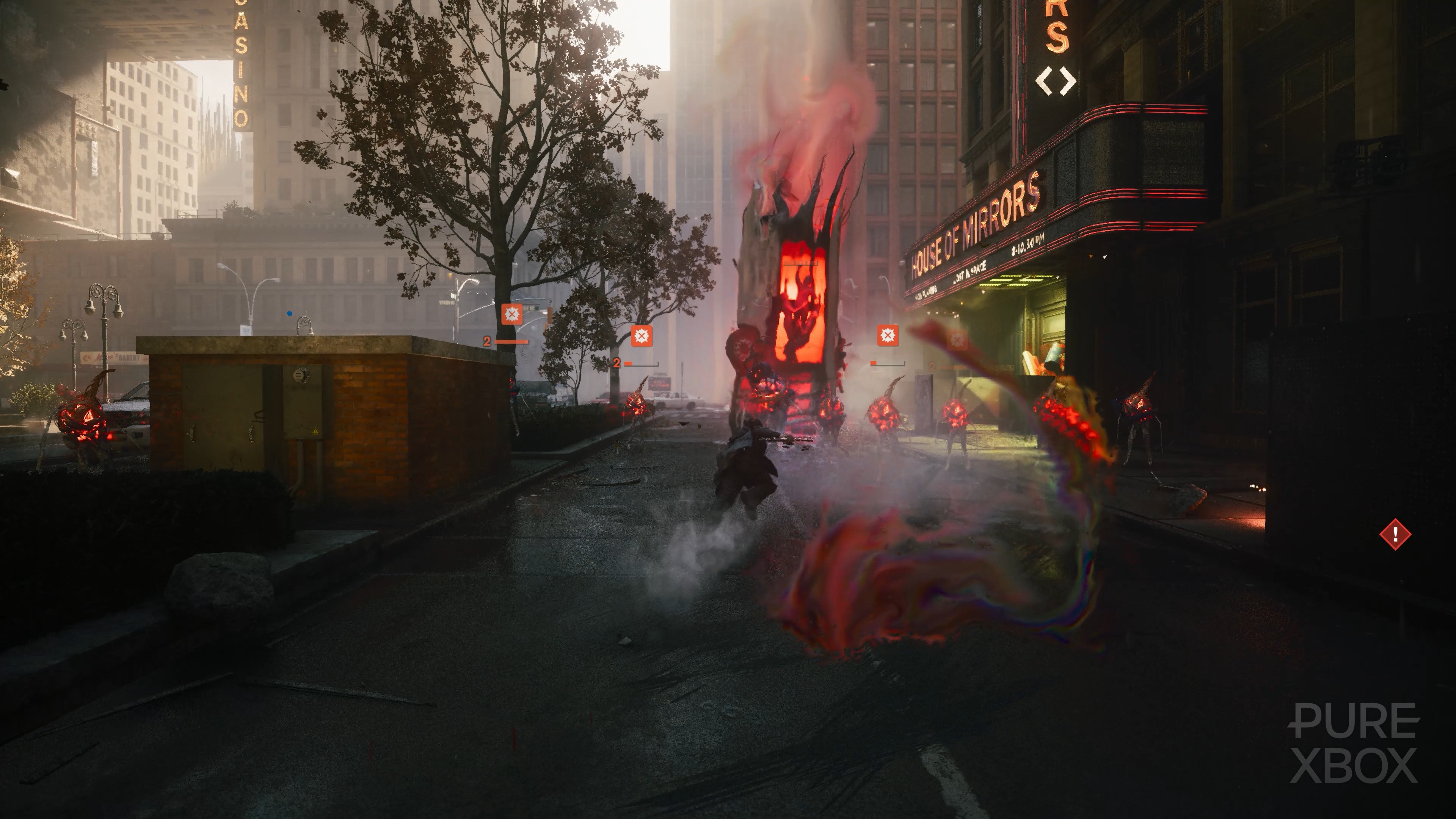
Manhattan is absolutely breathtaking. Supernatural forces have warped the city into something straight out of Inception, only better. Skyscrapers fold in on themselves, roads ascend vertically, blue mould consumes entire districts, and everything is just slightly…off. It’s as if Remedy chucked NYC into a blender with a mouldy sandwich and a kaleidoscope - and it's phenomenal.
That distorted reality lends itself perfectly to one of Control Resonant’s best features: traversal. You can get around the city with a double-jump, glide, and dash - y’know, the usual stuff - but on top of that, Dylan can shift gravity with the press of LB, effortlessly latching himself onto nearby walls and rooftops. It never gets old.
Of course, as you explore these different environments, you’re going to get stuck into a fair bit of combat. This is where Resonant really separates itself from the original Control.
In the first game, Jesse dispatched the Hiss at range with the Service Weapon, a transforming gun that could switch between forms. Dylan, on the other hand, rocks the Aberrant, a versatile melee weapon with shapeshifting qualities perfect for close-quarters combat.
You’ll wield a primary and secondary form of the Aberrant by pressing X and Y, alongside a finisher move to round off your combos. Each comes with its own skill tree to upgrade, and there’s a fair few forms to choose from.
Experimenting with your build is encouraged. At any time, you can refund your skill points and try out new combinations, meaning you’re never committed to a particular playstyle.
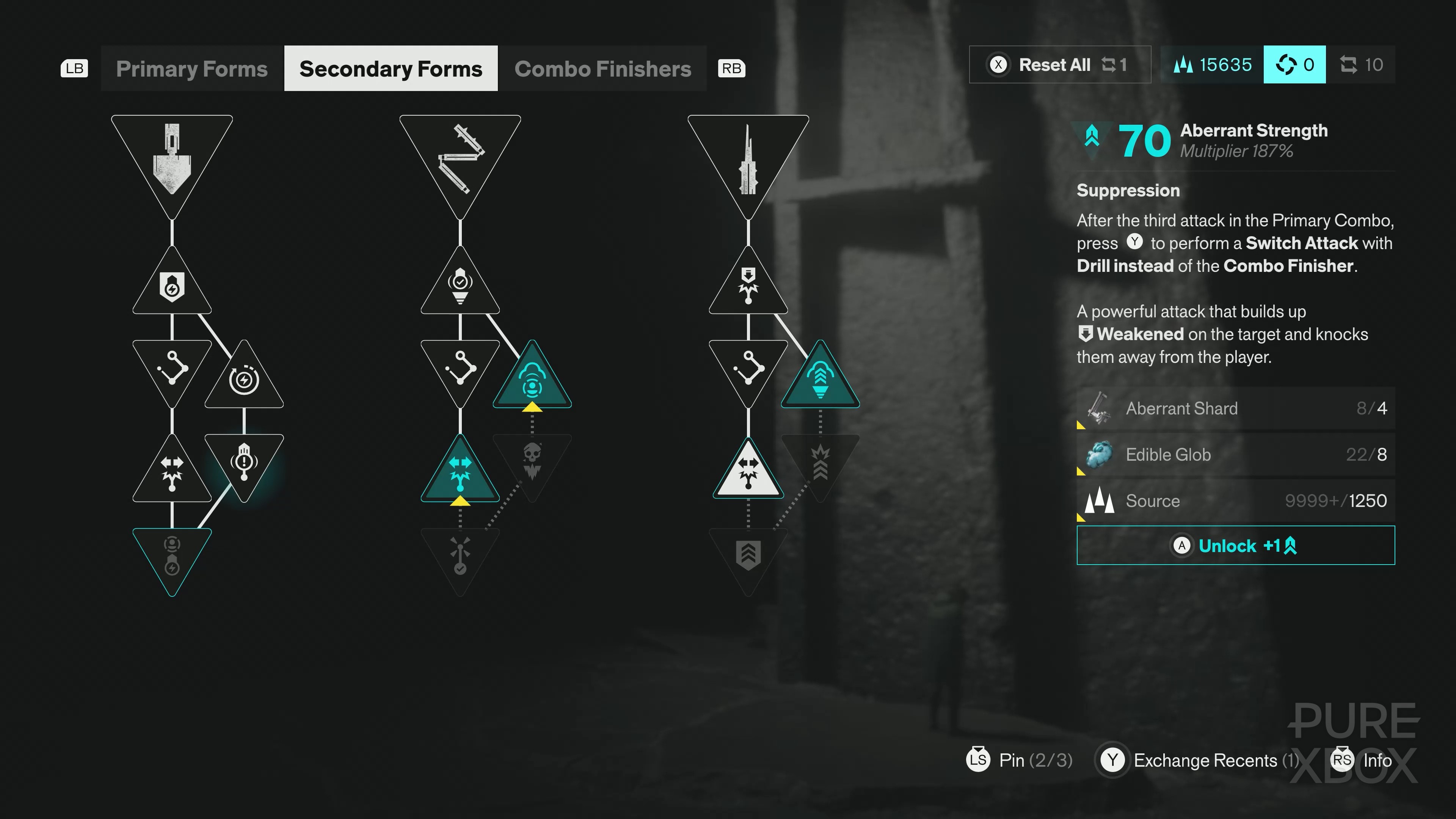
Early on, I played around with the glaive and extended whip pairing, but over time I gravitated towards the dual blades, precision drill, and concussive beatdown as my go-to trifecta.
Somewhere near the middle of the game, after a few upgrades and enough time to gel with the weaponry, combat enters this sort of flow state, scratching an itch only Spider-Man and Batman Arkham games have managed to reach before.
This is fast-paced, relentless action combined with impressive traversal that’ll have you scraping through by the skin of your teeth. It’s genuinely spectacular stuff.
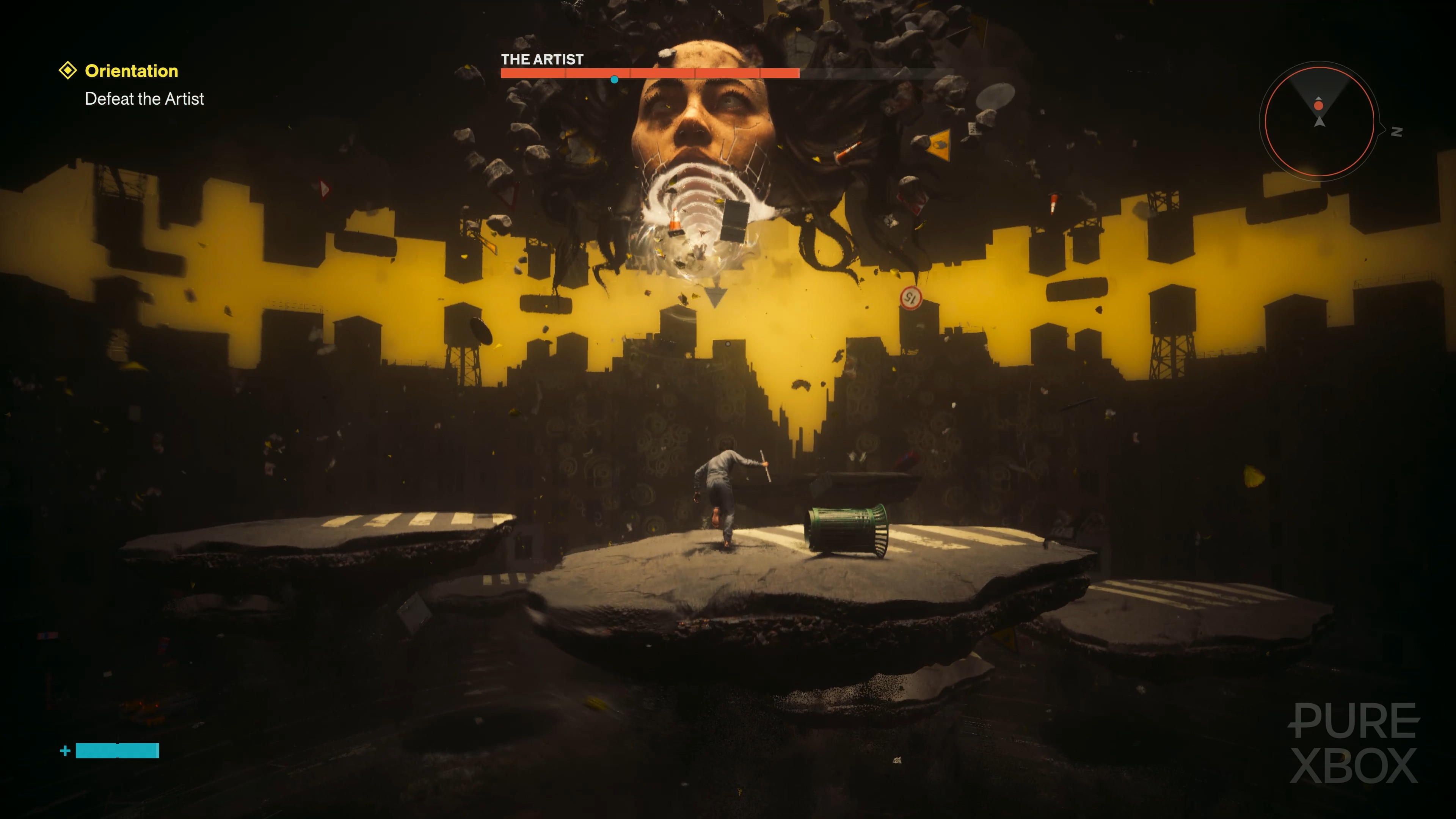
I was particularly impressed by how deliberate the game’s set-piece Resonant boss fights are. They aren’t simply tougher enemies blocking your path, many are unique and phenomenal action sequences. Defeating them also rewards Dylan with special paranatural abilities to feed back into both combat and exploration.
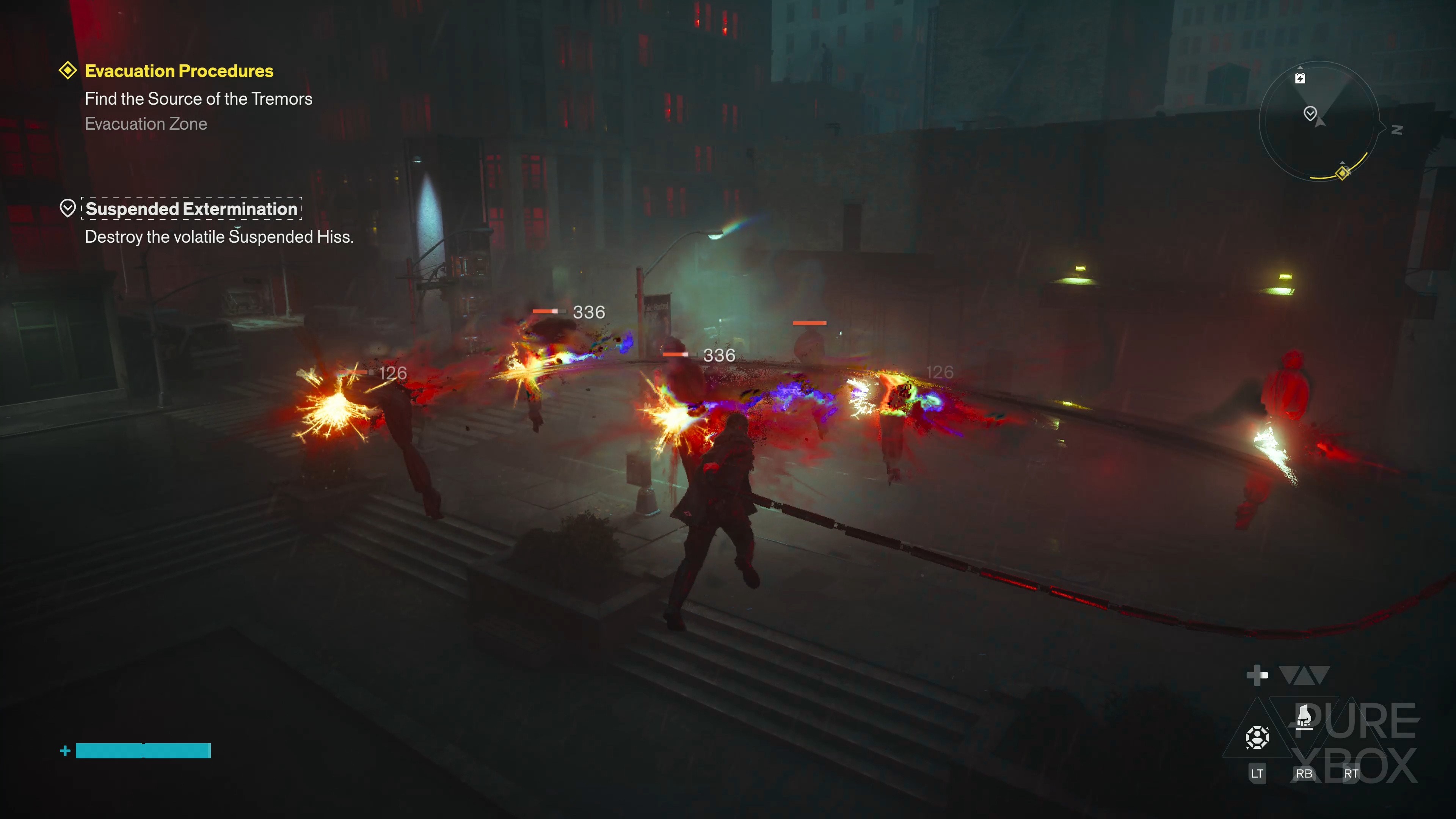
Some of the Resonant fights are tied directly to the unfolding narrative, whilst others serve as an optional challenge to have a crack at if you fancy a bit of a detour.
Unfortunately, the combat doesn’t maintain momentum throughout the adventure. As you progress into the latter stages of the game, equipped with the majority of upgrades and abilities, things start to feel a bit tedious. Bosses become more spongey, scraps last a whole lot longer, and dispatching enemies relies on the same combinations of attacks over, and over again.
Once I realised comboing Dylan’s ranged mould infection projectiles with the ignite ability was an incredibly effective way to execute staggered enemies, that’s pretty much all I did for the remaining hours.
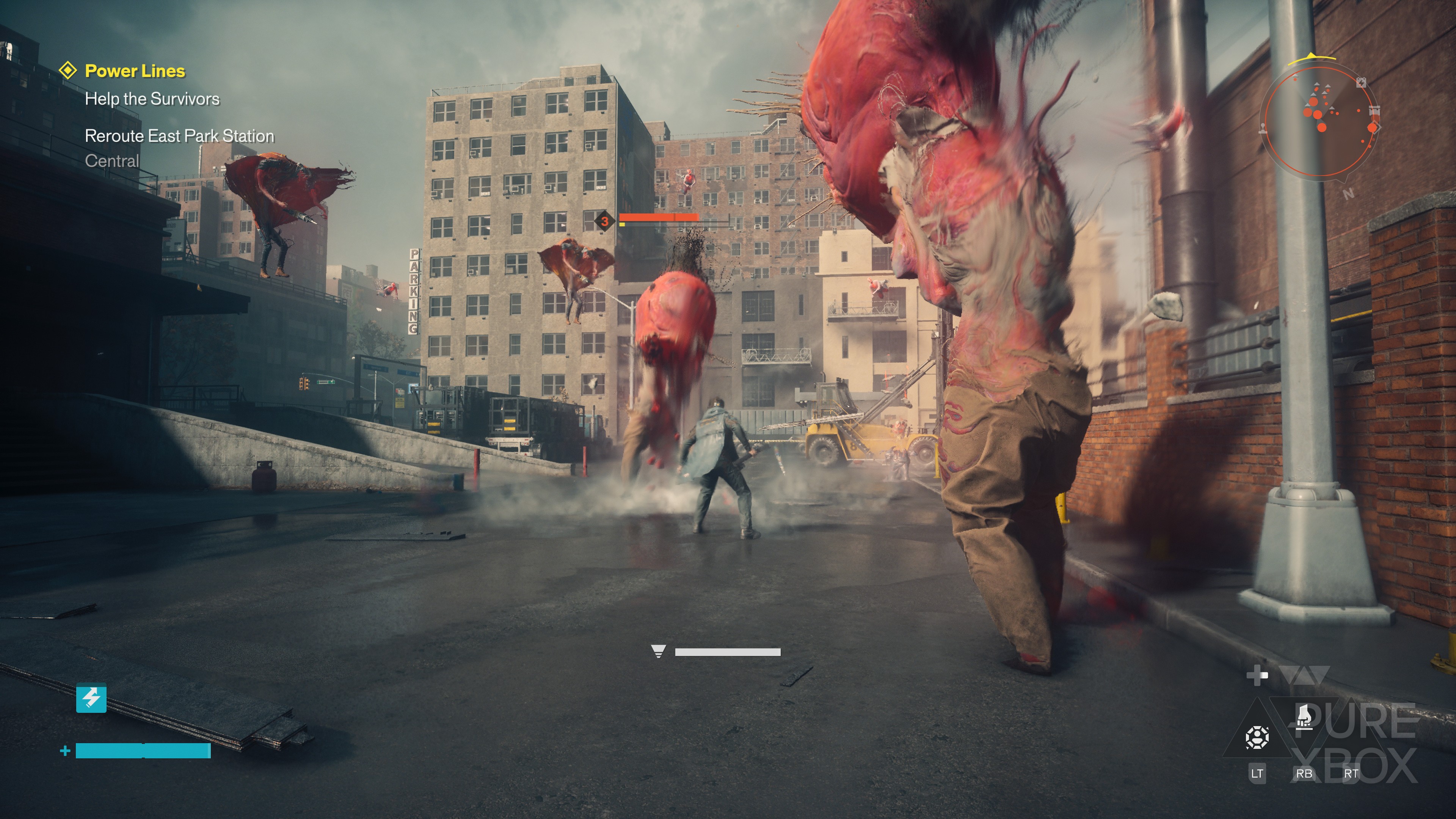
It was fun while it lasted, but much like the Hiss themselves, I felt burnt out by Dylan’s combat style long before the final boss encounter, which somewhat minimised an otherwise thrilling story.
Control Resonant is a much bigger game than its predecessor. It took me roughly 27 hours to complete, and despite the increased scale, performance on Xbox Series X is pretty much spot on. I did notice a hefty amount of dithering across most reflective surfaces, but other than that, the game was smooth throughout.
Quality was my preferred mode because I value higher visual fidelity, and 30FPS doesn’t bother me in games like these. As you’d expect, Performance mode offers a solid 60FPS with a slightly fuzzier resolution. Either way, you should feel happy enough with how Resonant runs on Xbox Series X.
Conclusion
Control Resonant is a brave and visually transcendent sequel from Remedy. It’s packed full of the studio’s unparalleled aesthetic, wonderfully bizarre ideas, and a deeply personal story that gives plenty of emotional weight. Shifting genres was a clever decision for the series, and it pays off. Resonant’s open world Manhattan is a delight to explore, resulting in an effortlessly cool action RPG that’s hard to put down.
Its biggest downfall is that its stellar traversal, fantastic cast of characters, and memorable story ultimately outlive its combat loop. By the final stretch, the repetition had started wearing me down, taking some of the mouth-watering mould off an otherwise great time. But as far as sequels go, Remedy has done something far more interesting than just making Control 2.0. It isn’t perfect, but when it hits its stride, it’s truly magnetic stuff. I won’t be forgetting Control Resonant anytime soon. What a game.


Comments 4
Probably won’t jump into this one, not for now anyway.
Got the following soon:
GPU:
Minecraft D2
Gears e day
COD MW4 buy if campaign is very good
GTA 6 if good 😊
Rayman legends untold - definitely buying
Fable February 2027 - GPU
I really hope this does well for remedy!
I'm not a fan of the control series myself but if they can get another Alan Wake game out as quickly as they did this after Alan Wake 2 then we are all winners!
Now I want a bowl of Sugar puffs… but 90s Sugar Puffs before the recipe change
P.S. great review Craig! Thank you!
Show Comments
Leave A Comment
Hold on there, you need to login to post a comment...