 by
by 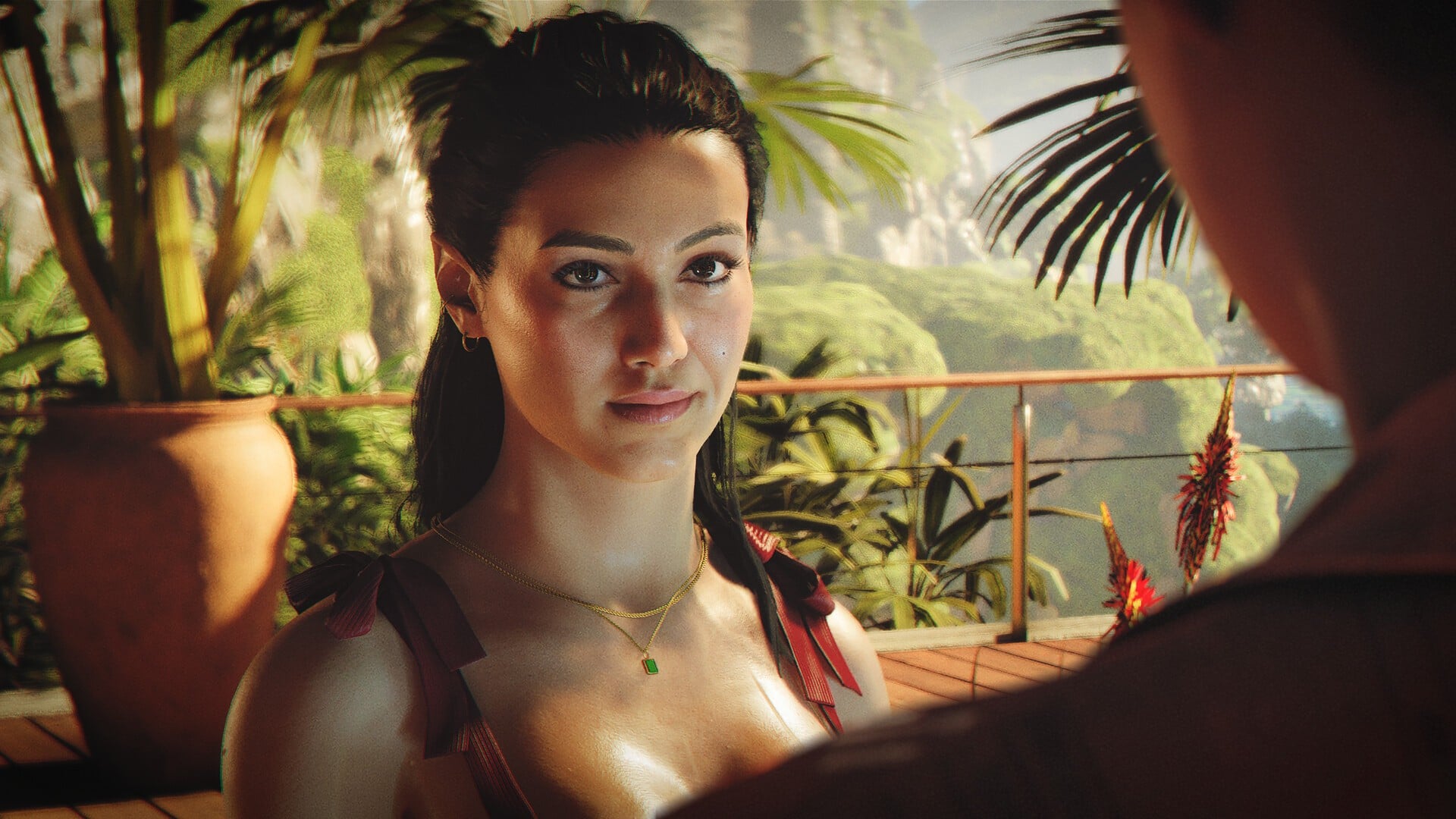
007 First Light is officially out this week, and up to now, the focus has largely been on PS5 and PC in terms of pre-release coverage. However, our friends at Digital Foundry have now provided a deep dive on IO Interactive's upgraded tech for the game - including information on how First Light runs on Xbox Series X and S.
So, let's cut to the chase: Xbox Series X has two gameplay modes — one at 60FPS and one at 30FPS — while Xbox Series S simply runs at 30FPS with no other options. Here's DF's summary on Xbox Series S and why that version only manages 30 frames per second:
"With the game running noticeably below 30fps in its first console reveal, it's perhaps not a surprise that the Xbox Series S version is limited to that target, even while Xbox Series X and PS5 offer 60fps modes. Lead render engineer Alex Mueller told us that the decision was down to the studio's "scalability-first" philosophy.
Rather than stripping out key visual systems like lighting and volumetrics to eke out a 60fps mode that worked within the RAM and GPU constraints of Series S, IO preferred to maintain visual parity with the higher-end consoles at 30fps. The same philosophy will be used for low-end PC hardware and the later Switch 2 release, ensuring that high-end features like the new volumetrics can scale down without being entirely removed."
That all makes sense to us - 007 First Light looks like a pretty ambitious game in general, and going for 30FPS on Series S and eventually Switch 2 is probably a wise move. In fact, it was a task to get the title running at 60FPS on base PS5 and Xbox Series X:
"Beyond the usual mix of downgraded settings and lower resolutions, hitting 60fps on consoles relies on the Glacier Engine's aggressive use of async compute, ensuring the GPU is fully saturated at all times. The core renderer was also modernised with a frame graph system that manages resource dependencies, allowing the engine to schedule individual rendering passes efficiently. CPU optimisation was also key, with expensive tasks like physics simulations, AI and animation moved off the critical path and onto parallelisable worker threads."
Digital Foundry's handy summary of this deep dive also talks about the game's software-based ray tracing, new lighting techniques and more - and we'll directly link to that article in the related box down below. Alternatively, we'll also share the full video deep dive if you want to get into the real nitty gritty of DF's new look at 007 First Light.